We have become obsessive archivists of our own lives.

Every dinner, airport window, blurry mirror selfie, street corner, cocktail, and sunset now exists somewhere inside a camera roll thousands of images deep. Our phones document so much that photographs have begun to lose some of their original gravity. Images today feel strangely immortal and disposable at the same time.

And yet, despite living in the most photographed era in history, people seem increasingly drawn to cameras that make taking photographs harder.

Grain. Flash. Blur. Film. The Canon G7X resurrection. Disposable cameras at parties. Entire aesthetics now organized around looking as though a moment happened accidentally instead of being curated meticulously.

Somewhere beneath all of this, I think, is a desire to make memory tangible again.

Film photography feels especially interesting to me because it exists in direct opposition to modern digital life. As someone who spends much of my life in scientific spaces, I think I am naturally drawn to processes that require observation and restraint. Film demands both. You cannot endlessly retake a photograph until it becomes acceptable. You cannot immediately analyze the outcome. You work within limitations: light, chemistry, timing, chance. You experiment, then wait.

There is something almost romantic about that uncertainty.

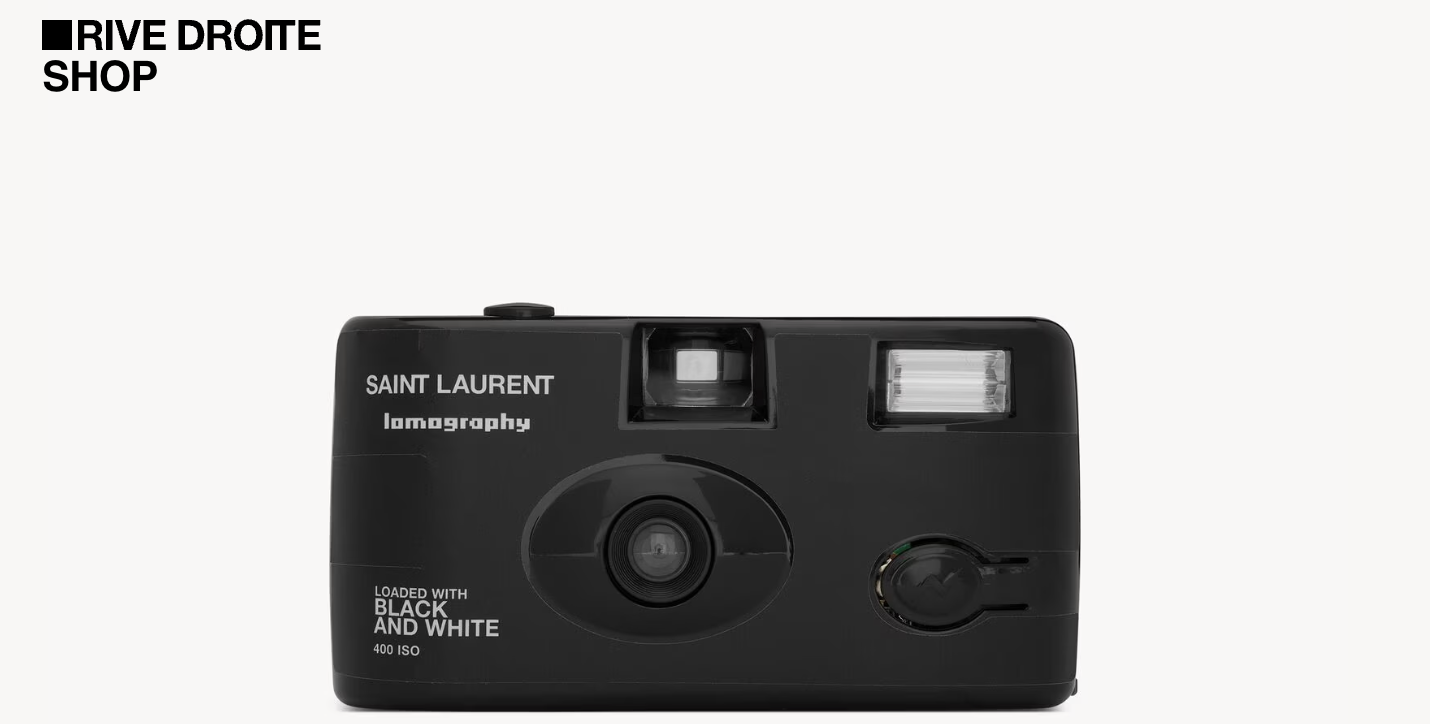
Which is perhaps why, while wandering through Paris, I found myself purchasing the Saint Laurent x Lomography reloadable camera from the Rive Droite location.

Not necessarily because it was Saint Laurent, though admittedly Paris has a way of making every purchase feel slightly cinematic. What interested me more was the collaboration itself. Lomography has long embraced imperfection, spontaneity, and experimentation in photography, while Saint Laurent exists so firmly within the world of image construction and aesthetic mythology. The pairing felt oddly self aware. A luxury branded camera that intentionally produces inconsistent photographs almost feels like commentary on photography itself.

And inconsistent it certainly is.

The camera operates similarly to a disposable camera, though it can be reloaded with additional film once finished (up to twice more is the recommended limit). Lightweight and minimal, it immediately changes the way you move through a city because every frame suddenly matters. You begin rationing images instinctively. Winter sunlight reflecting across the Seine becomes worthy of a photograph. A friend laughing at dinner becomes worthy of a photograph. The camera forces attention onto ordinary moments because there are only so many opportunities available to you.

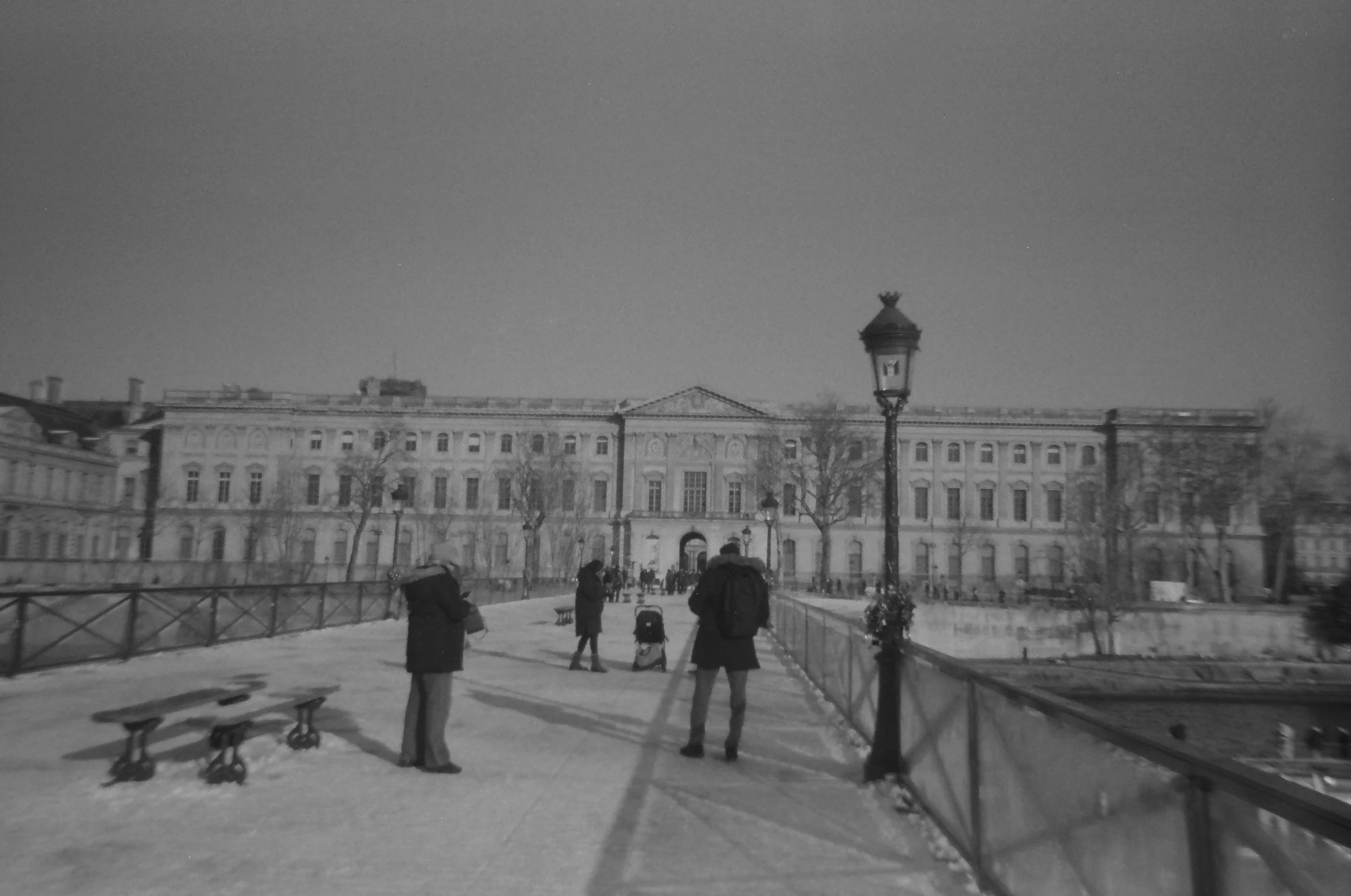
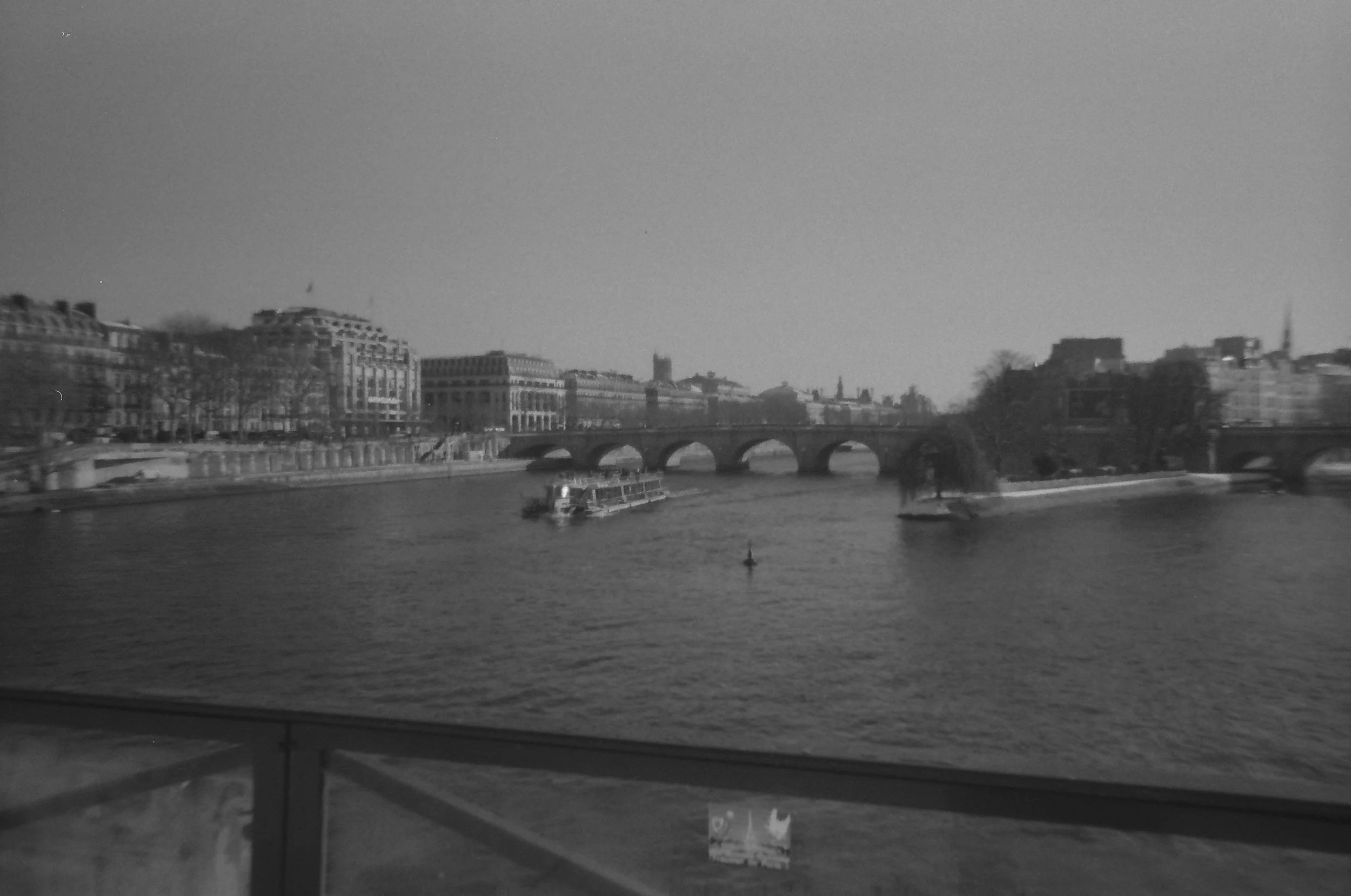
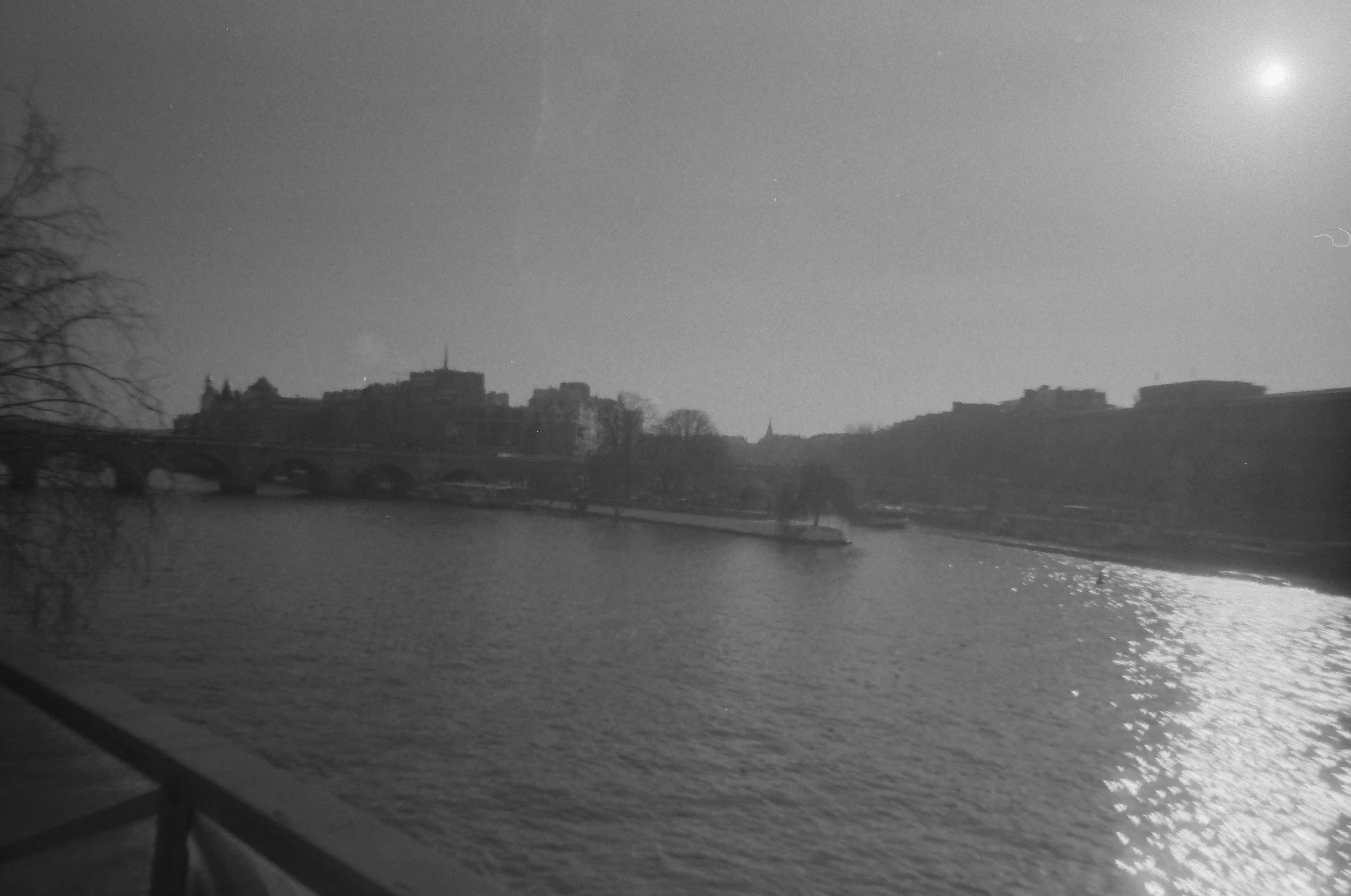
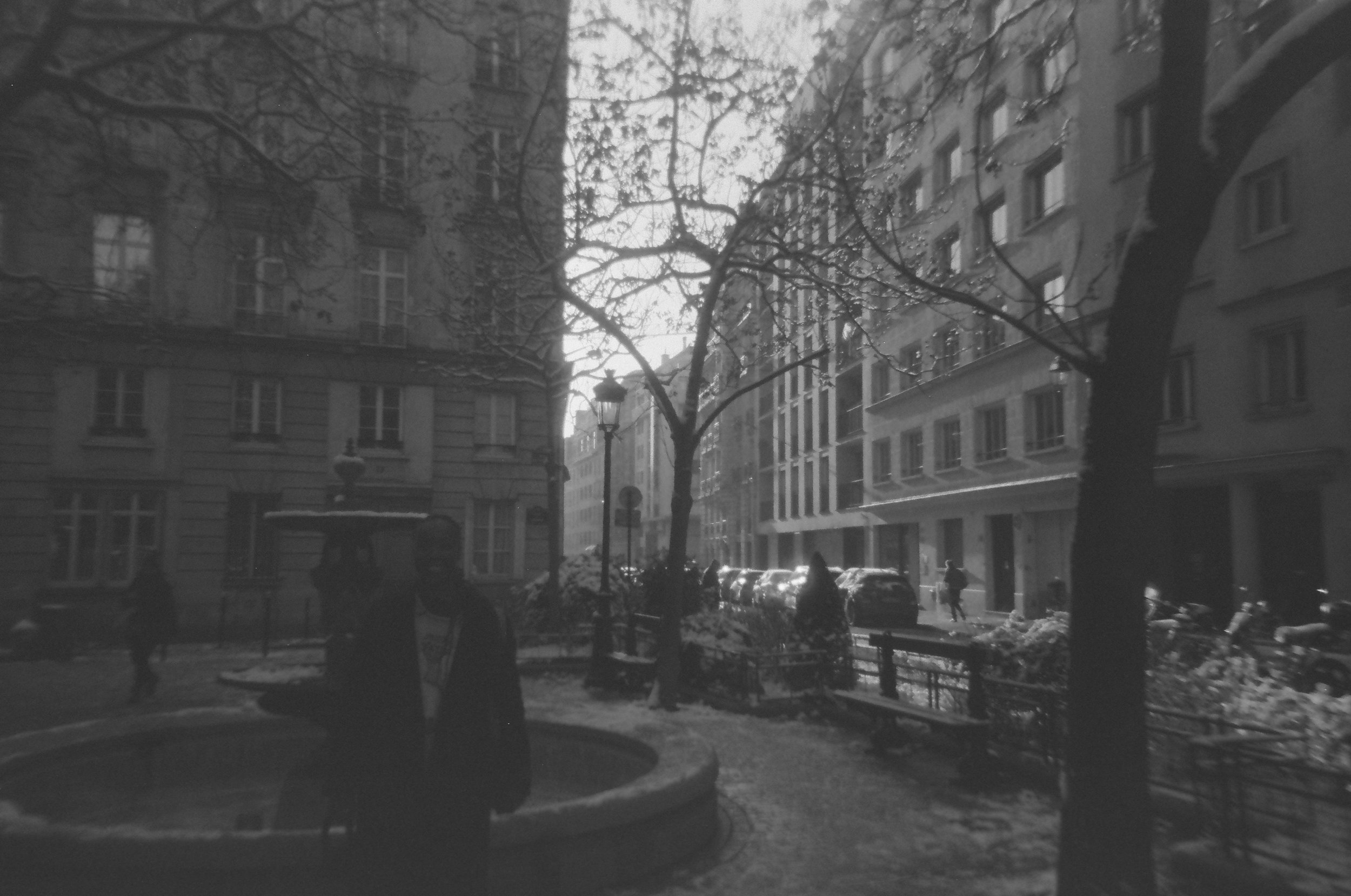
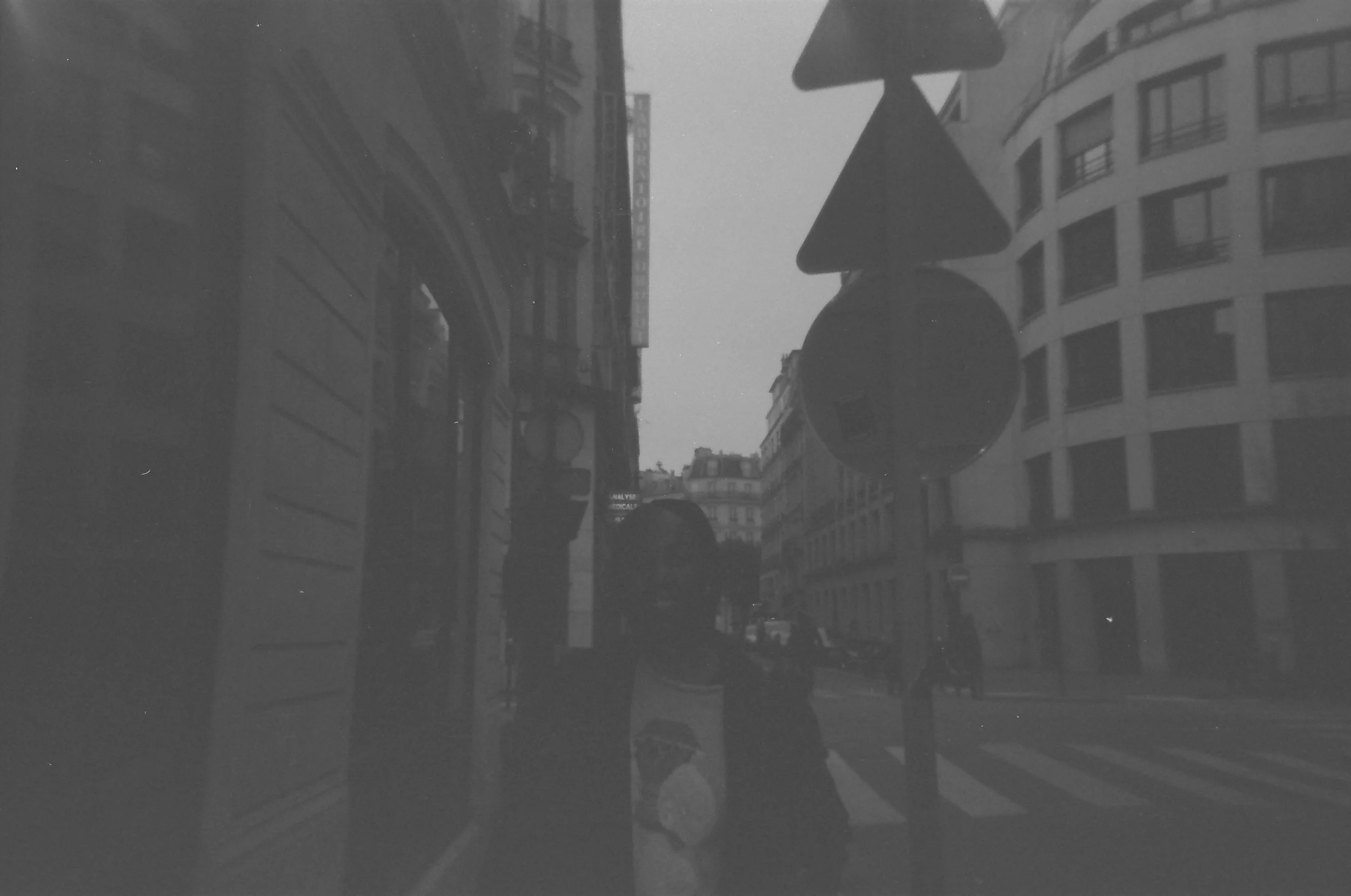
The daytime photographs were where the camera truly succeeded. Paris, admittedly, is almost unfairly suited for film. The grain softened the city beautifully. Bridges blurred at the edges. Water reflected silver light back into the frame. Some images looked less like photographs and more like memories accidentally preserved.

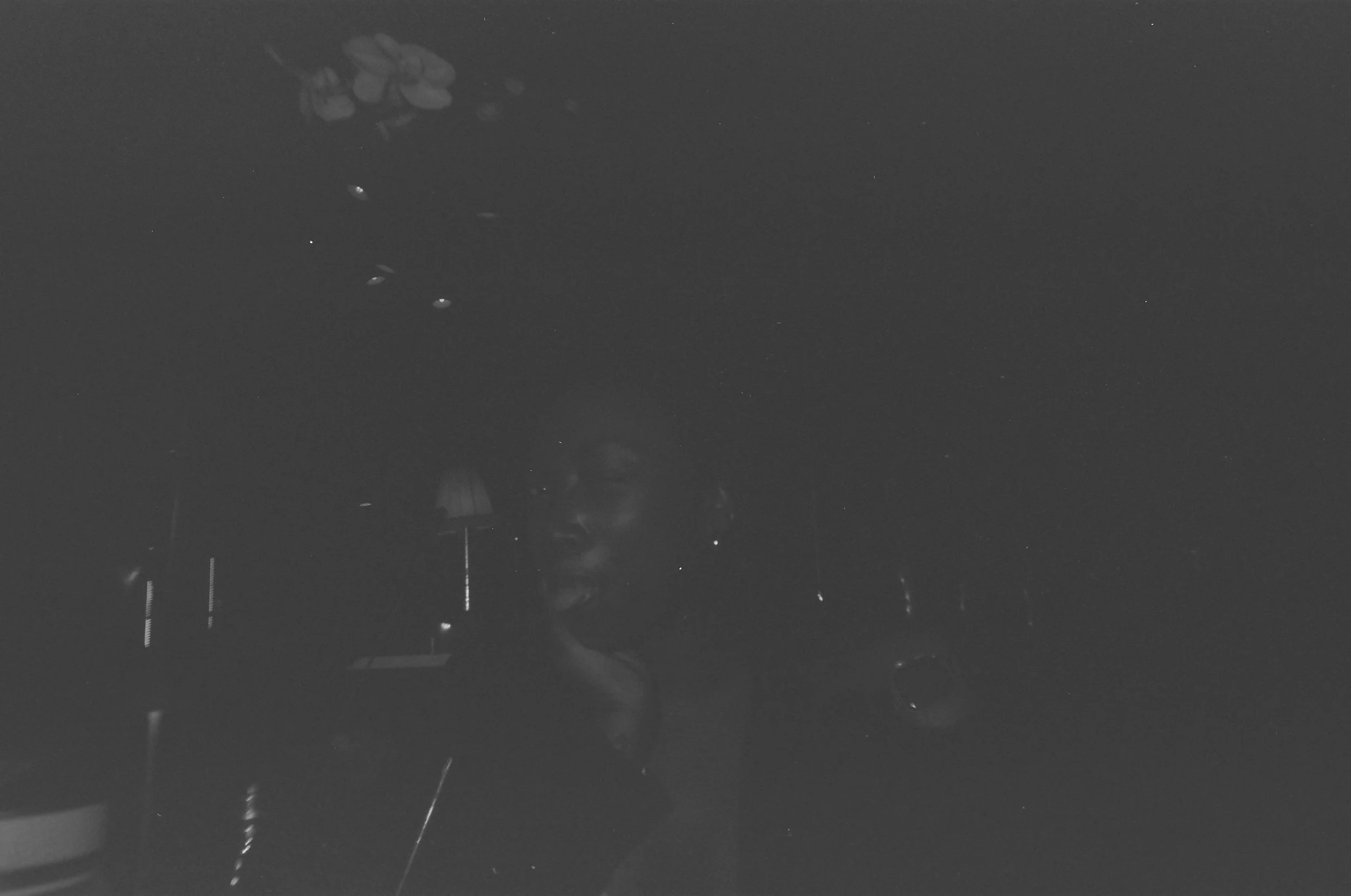
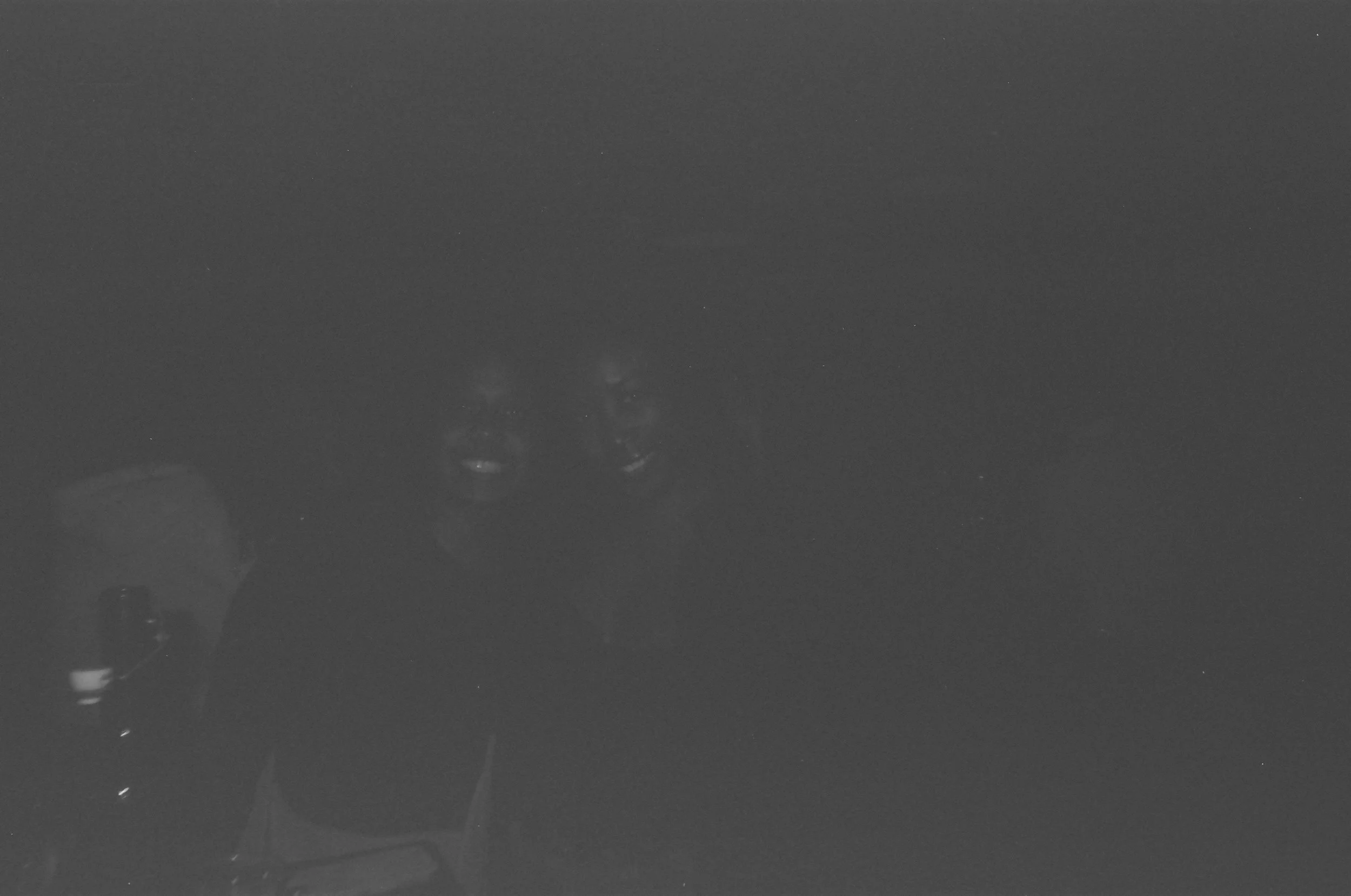
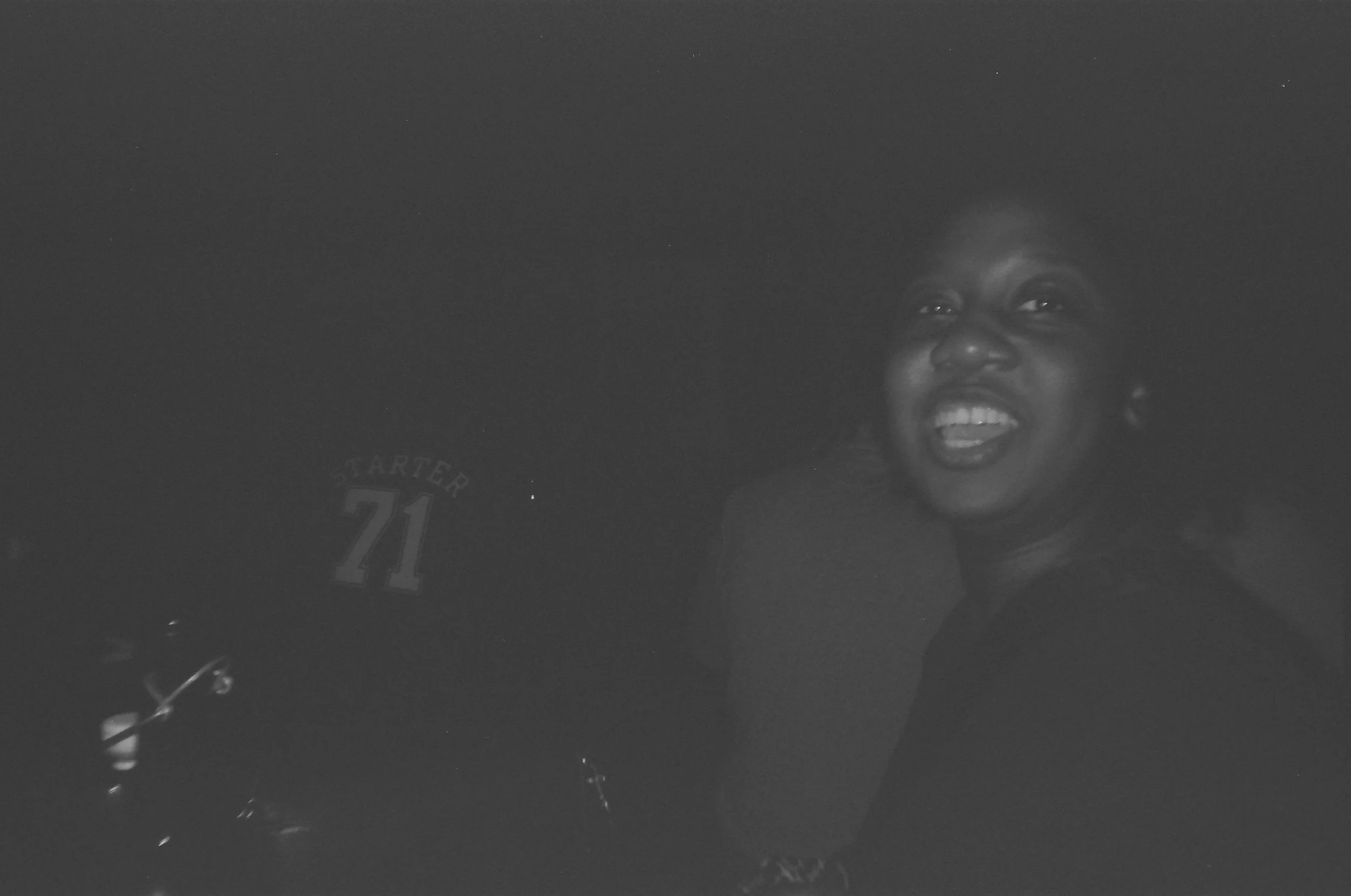
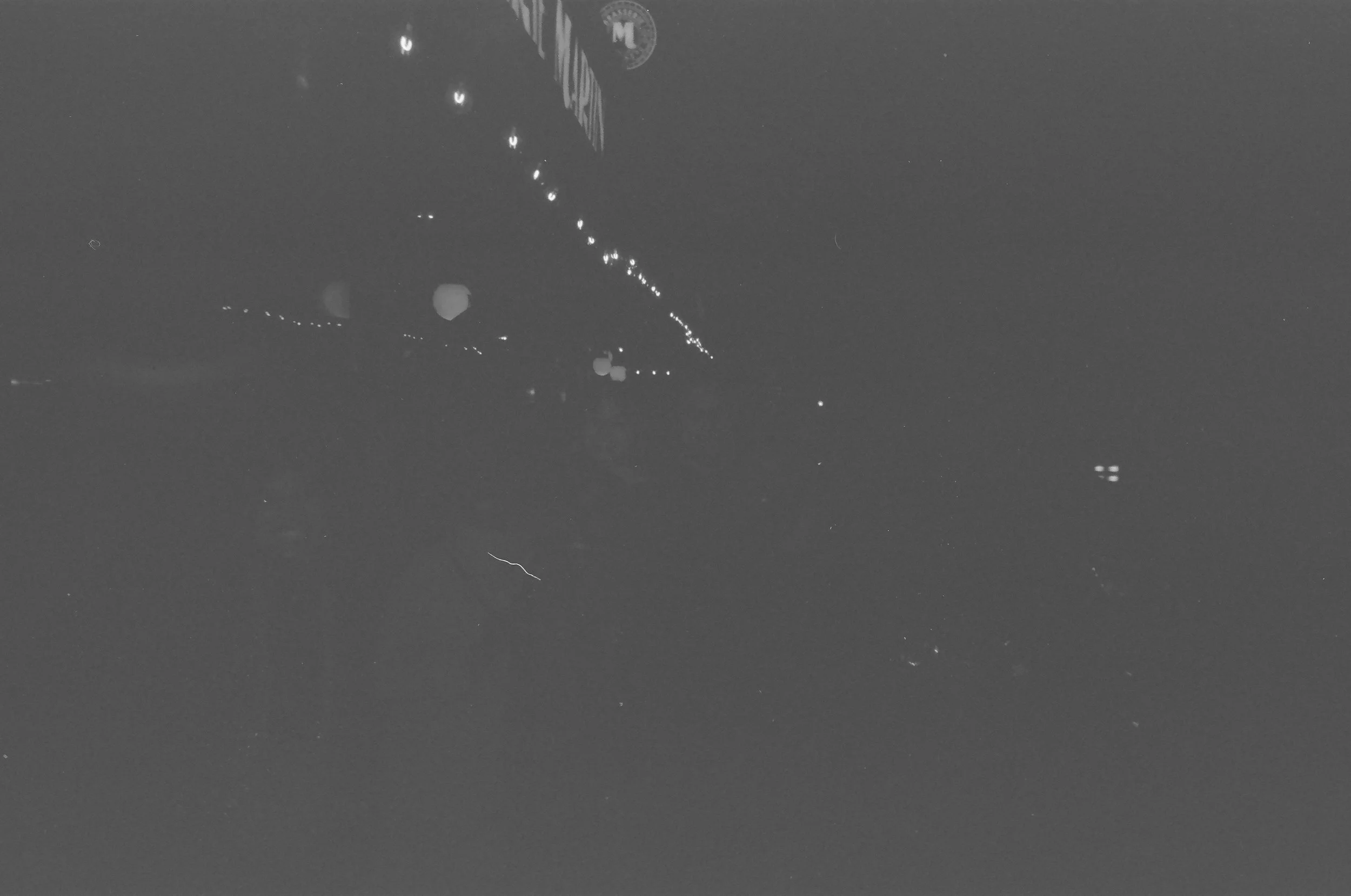
The low light photographs, however, were significantly less successful.

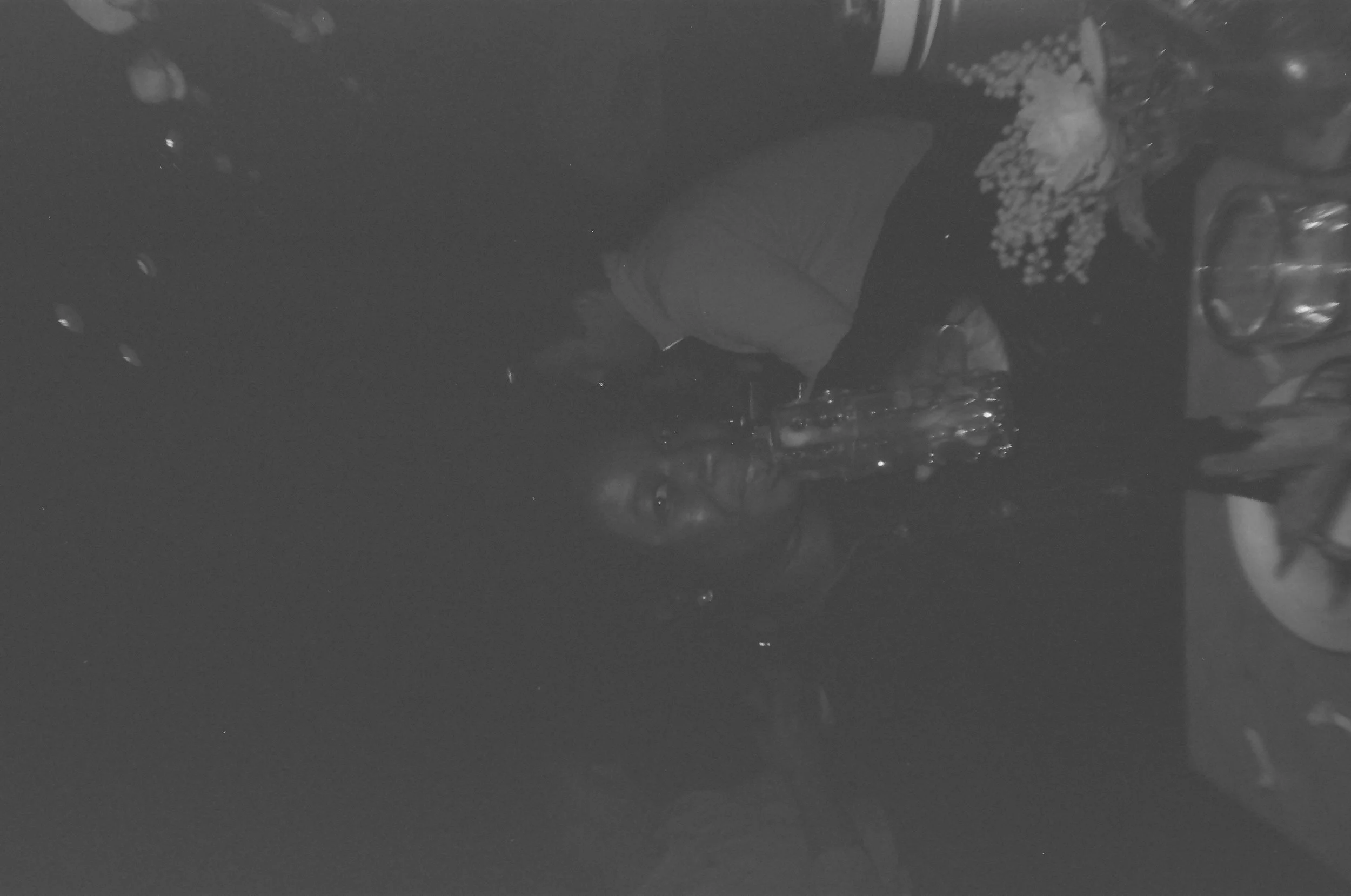
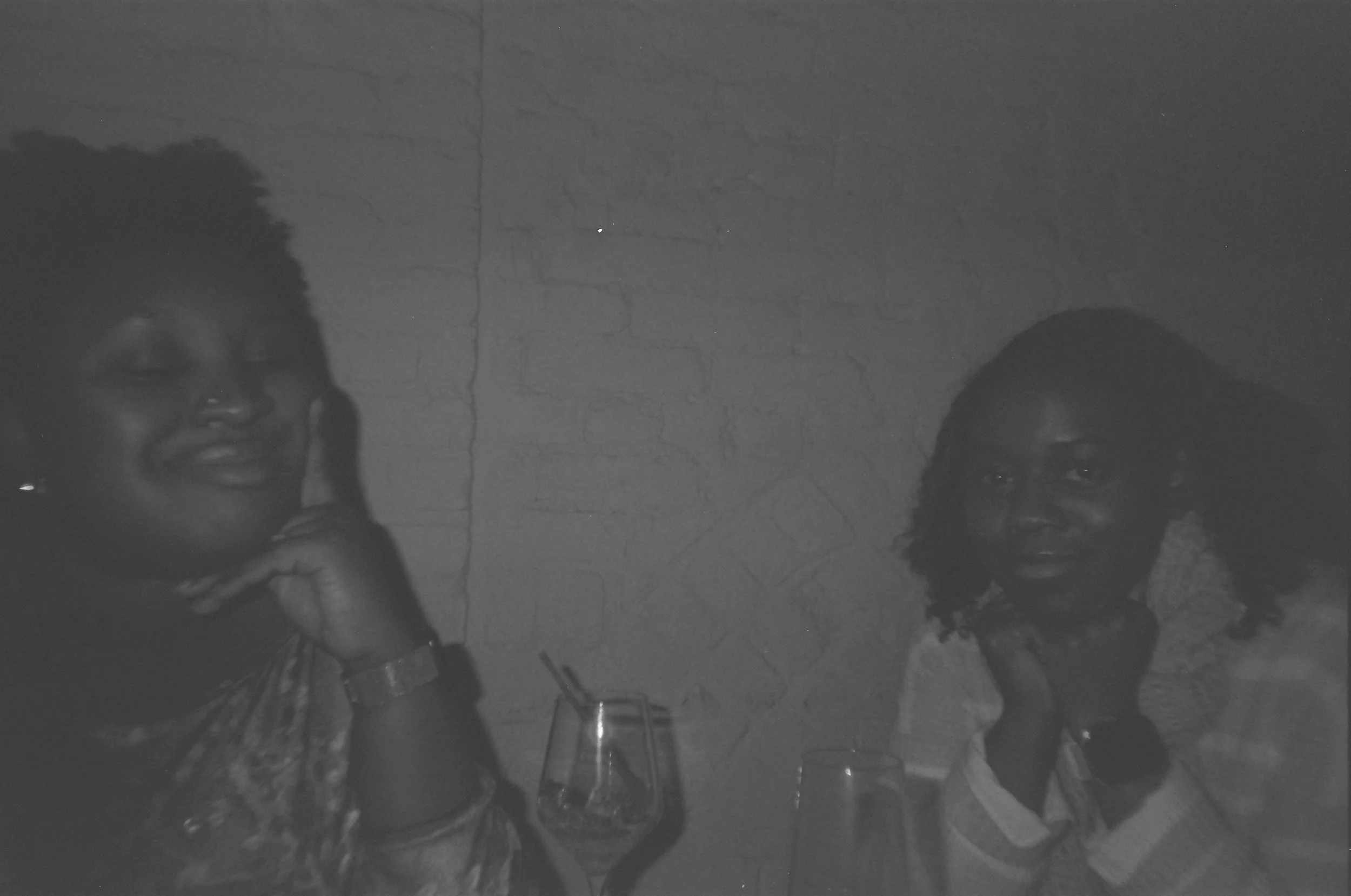
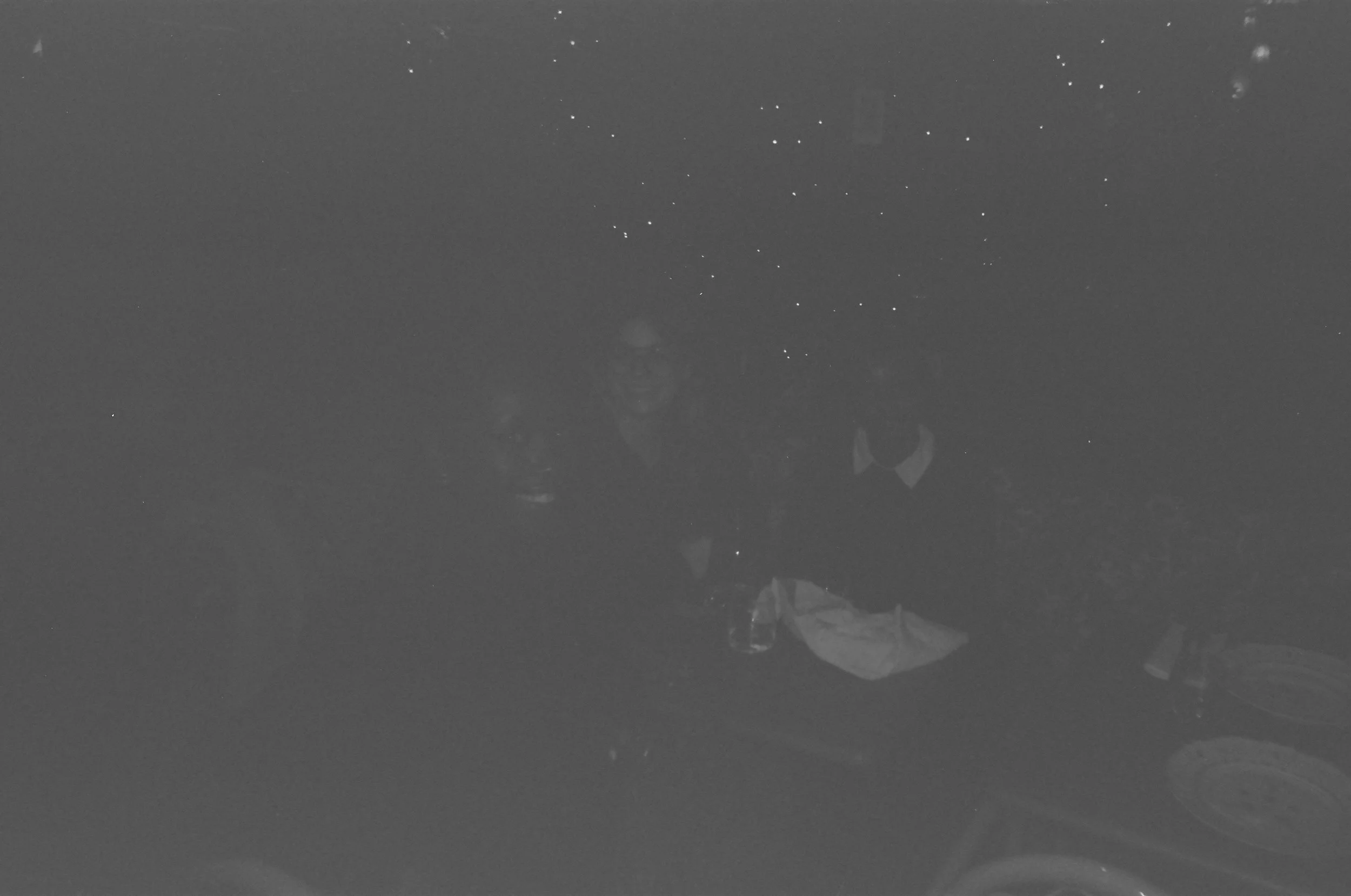
Several dinner and speakeasy photographs emerged almost entirely dark, with faces dissolving into shadows and details nearly impossible to distinguish. Out of roughly thirty photographs, only a fraction came out truly well. Whether this was user error or camera limitation remains difficult to determine and likely exists somewhere between the two. Film cameras like this require an almost exaggerated awareness of lighting conditions, something easy to underestimate after years of iPhones automatically correcting darkness for us.

Still, I found myself strangely attached even to the failed photographs (maybe the price played a role here).

Digital photography prioritizes precision. Film preserves atmosphere. A blurred image on film still feels alive somehow. Someone moved while laughing. The flash missed slightly. The frame overexposed itself into softness. Instead of deleting imperfections immediately, film asks you to live with them. Sometimes even appreciate them.

One detail I did genuinely enjoy about the camera is that it allows for two additional exposures after the film counter reads empty, a small surprise that feels almost playful. Reloading the film itself, however, is far less intuitive than the camera’s sleek appearance suggests. It requires patience and a willingness to potentially sacrifice a frame or two in the process. I am still waiting to see whether my additional photographs survived the reload successfully.

Would I recommend the camera?

Truthfully, probably not if your primary concern is technical quality. Your iPhone will outperform it in nearly every practical sense. There are also objectively better film cameras available for less money.

But I also think practicality is beside the point.

The photographs themselves almost became secondary.

What I remember most is the feeling of moving through the cities knowing every image would cost something: time, film, patience, uncertainty.

It made the city feel slower. More observable. More alive.

And perhaps that is what film photography still understands better than digital photography does:

not every moment needs immediate proof in order to matter.
Fun Links:
To Purchase: Camera in Blog
More From Lomography: Much cheaper