The Book that became September
I’m sitting somewhere in Williamsburg watching the sun lower itself behind Manhattan. My barn jacket is zipped to my throat and my fingers keep alternating between cold and almost warm. Early fall has arrived in that irritatingly theatrical New York way, with hard sunlight and cold wind occupying the same hour. There is something fitting about finishing this book in weather that cannot quite decide what world it belongs to.
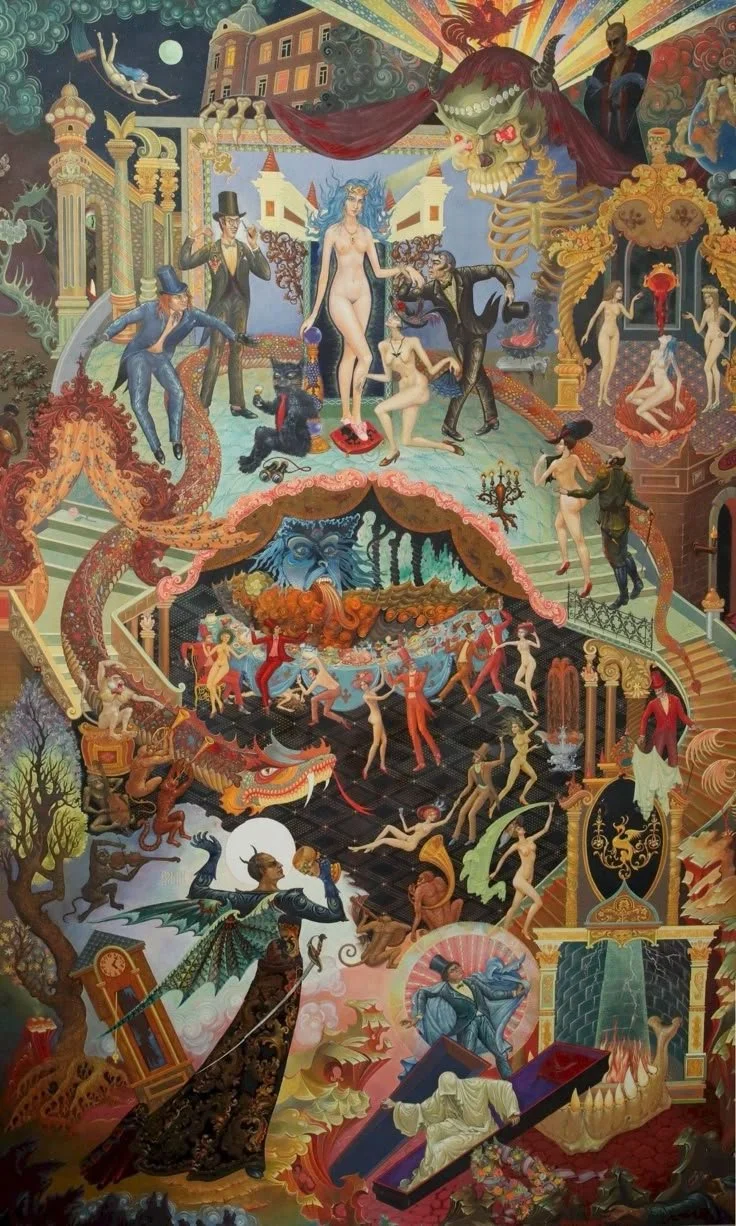
For thirty days, The Master and Margarita has been running alongside my life like a second city. I carried it through subway stations, gym lobbies, coffee shops, waiting rooms, bed. Moscow began to feel less like a setting than a parallel nervous system. I would come out of a chapter amused, disoriented, occasionally suspicious that I had missed something crucial, and increasingly willing to let that be part of the experience. Somewhere in the middle of all this, I became obsessed with Radiohead. This also feels relevant. There was something almost too coherent about having Thom Yorke in my headphones while reading Bulgakov on the train, both of them making modern life feel slightly unstable. Ordinary people started to look more absurd. Bureaucracy became funnier. Desire became more embarrassing. The city acquired an air of conspiracy.
What I loved most about this book is its refusal to remain one thing long enough to be neatly understood. It is comic, but never merely comic. It is philosophical without becoming heavy-handed. It is romantic in a way that has almost nothing to do with romance as a genre. It keeps widening its field of vision until private feeling, political absurdity, cowardice, art, faith, vanity, love, and history begin to look as though they belong to the same argument. For a while I resisted that expansiveness. I wanted to know exactly what I was reading and exactly why it mattered. Eventually I stopped asking. There is a point where interpretation becomes less useful than surrender, and Bulgakov seems to understand that. He makes the reader sit inside contradiction until contradiction itself starts to feel like the most honest form of reality.
That may be why the novel felt so alive to me. It understands that people can be ridiculous and tragic in the same breath, that institutions can be terrifying precisely because they are banal, that love can be sincere without making anyone morally pure, that cowardice can coexist with tenderness, that a person can fail badly and remain human. I kept returning to that last idea.
By the end, I was crying. Not in the way I cried after The Seven Husbands of Evelyn Hugo. Evelyn’s sadness was legible. I knew what I had lost. Those tears had an object. These did not. I finished The Master and Margarita by the East River with Manhattan turning gold across the water, and the tears came before I had decided what they meant. I don’t think they were grief. They felt closer to recognition.
The book had spent hundreds of pages being wild, grotesque, funny, cruel, theatrical, and then somehow arrived at a kind of mercy so quiet it almost embarrassed me. That was the part that stayed. Mercy. Not innocence, not exoneration, not the sentimental idea that people are secretly better than what they have done. Mercy after the failure. Mercy after the cowardice. Mercy when there is no clean argument left for deserving it. That distinction is probably the most intellectually serious thing in the novel, and also the most moving. Bulgakov has very little interest in purity. Thank God. He seems far more interested in the compromised person: the frightened one, the vain one, the foolish one, the one who knows better and fails anyway, the one who has to go on living after the moment they became ashamed of themselves. There is something severe in that, but also generous.

Maybe that is why the book found me so completely. The last month has felt strange in my own life too. Summer ending. Certain relationships becoming less legible. My taste in music drifting toward Radiohead with suspicious intensity. My mood changing with the weather. I have spent a lot of time thinking about how two contradictory things can be true at once. Apparently they can. Bulgakov seems to prefer it that way.
I started the book in the last stretch of August and finished it in Williamsburg with the skyline fading into blue. Somewhere in between, the season changed without ceremony. The book did something similar. It changed register so gradually that I didn’t notice how attached I had become until it was over. Now I can’t separate it from the month I read it in: the cold wind off the water, Radiohead, the train home, Manhattan at dusk, that peculiar feeling of being both inside your life and slightly outside it.
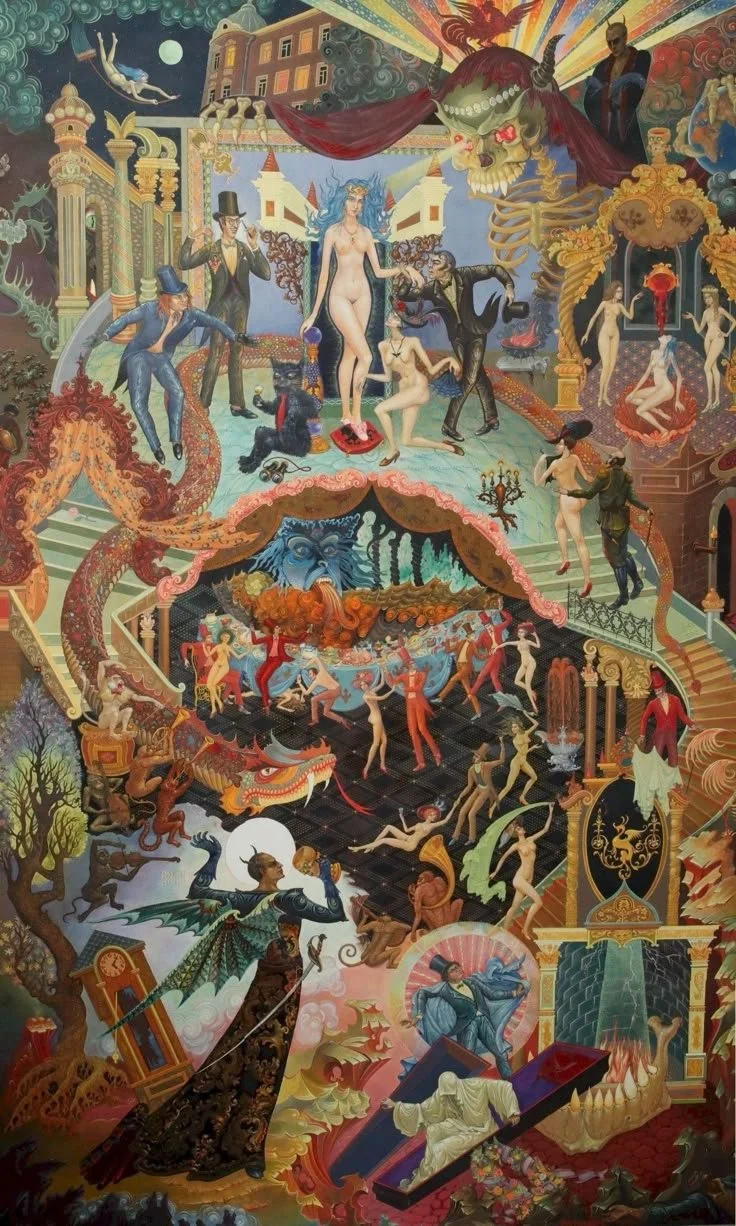
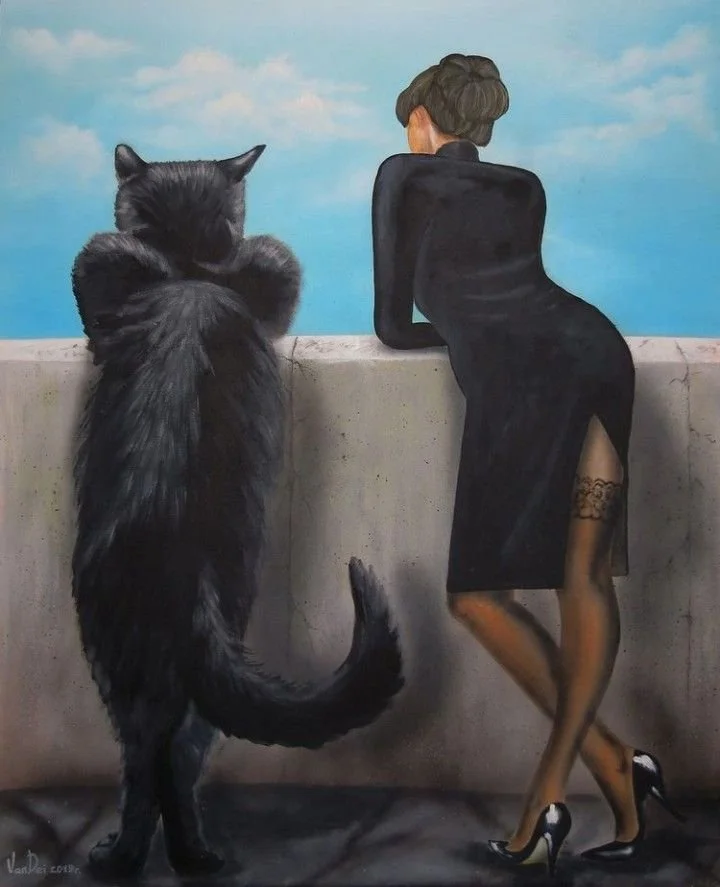

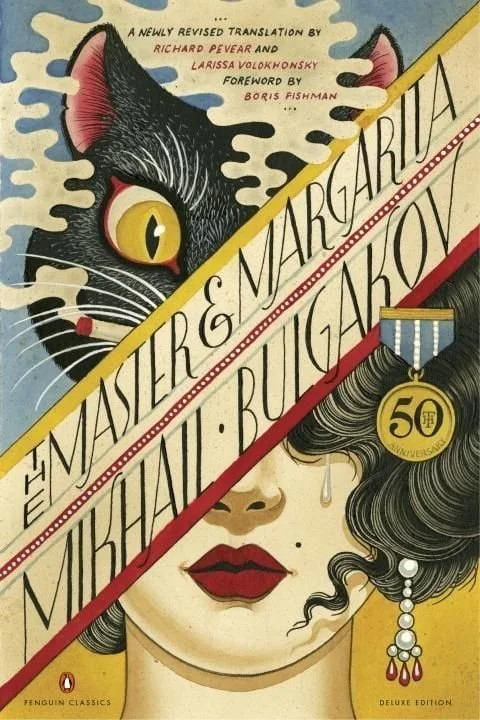
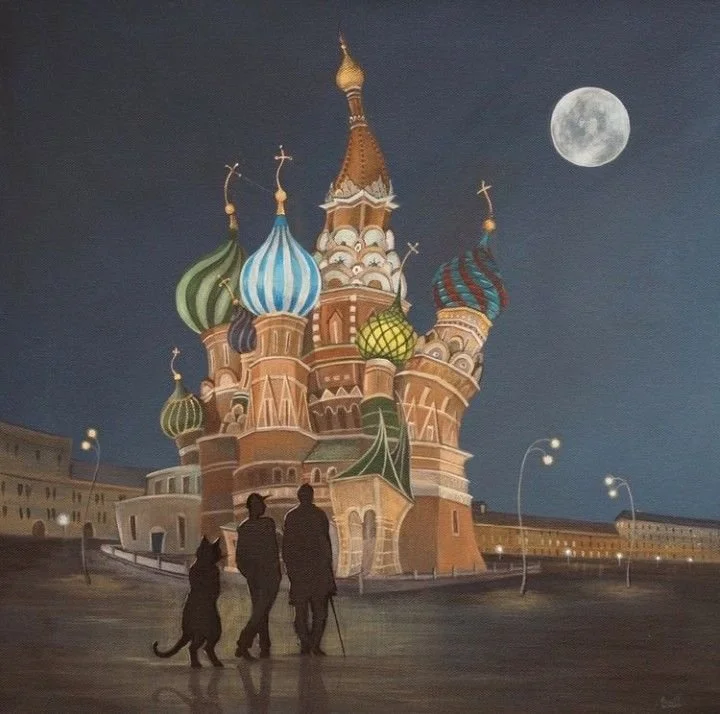
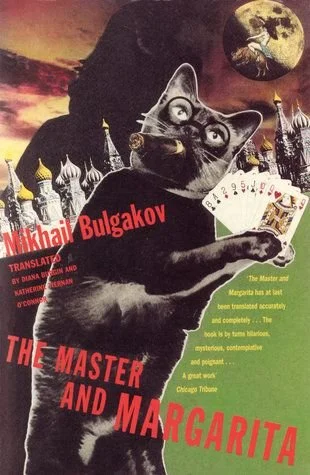
Some books are memorable because they tell a beautiful story. Others become attached to a version of you. I think The Master and Margarita will always be September 2026 for me, and I think I will always remember finishing it with tears in my eyes and the slightly humiliating certainty that I had just read something extraordinary.
Next read: Possession by A.S Byatt